
In the sunny suburbs of Mesa, AZ, where neighborhoods like Red Mountain and Superstition Springs buzz with community spirit, dog owners are increasingly interested in specialized training for their furry companions. Whether strolling through Usery Mountain Regional Park or relaxing near Usery Pass Road, many wonder: what exactly is therapy dog training, and how does it stack up against service dog training? This comprehensive guide dives deep into these distinctions, drawing from proven local expertise to help you decide the best path for your dog.
What is Therapy Dog Training?
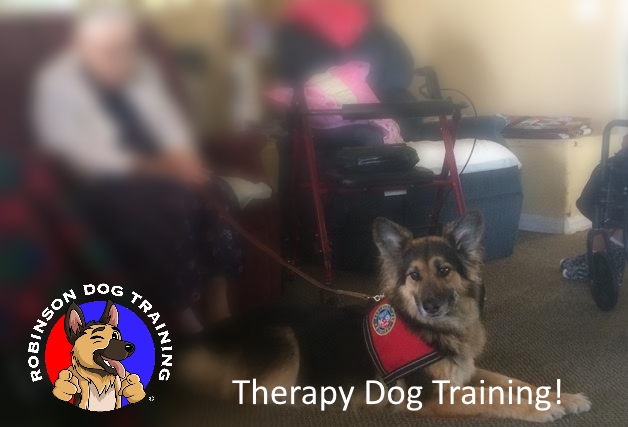
Therapy dog training focuses on preparing dogs to provide emotional comfort and support to people in various settings, such as hospitals, nursing homes, schools, and community events in Mesa, AZ. Unlike everyday pets, therapy dogs undergo specific socialization and obedience training to remain calm, friendly, and responsive amid distractions. Imagine your dog visiting patients at Banner Heart Hospital along Power Road, offering gentle nuzzles that lower stress levels and brighten days.
The process typically begins with basic obedience commands like sit, stay, down, and come, progressing to advanced skills such as tolerating petting from strangers, ignoring food temptations, and handling crowded environments. In Mesa, where community centers like the Mesa Arts Center host events, therapy dogs must excel in public settings without becoming overwhelmed. Training emphasizes a dog’s natural temperament—gentle breeds like Golden Retrievers or Labradors often shine here—while building confidence through positive reinforcement techniques.
Local programs in Mesa, AZ tailor training to regional needs, incorporating visits to parks like Red Mountain Park to simulate real-world interactions. Dogs learn to navigate wheelchairs, walkers, and medical equipment, ensuring safety in places like Encompass Health Rehabilitation Hospital near Ellsworth Road. The goal is versatility: therapy dogs interact with multiple people per session, providing unconditional affection without forming a one-on-one bond like service dogs do.
Certification often involves passing tests from organizations like Therapy Dogs International or Pet Partners, requiring dogs to demonstrate 20-30 behaviors under evaluation. In Mesa, trainers stress annual health checks and vaccinations, vital for facilities around Highway 60. Success stories abound: dogs trained locally have volunteered at Desert Highlands Care Center, helping seniors combat loneliness amid the desert heat.
Understanding Service Dog Training
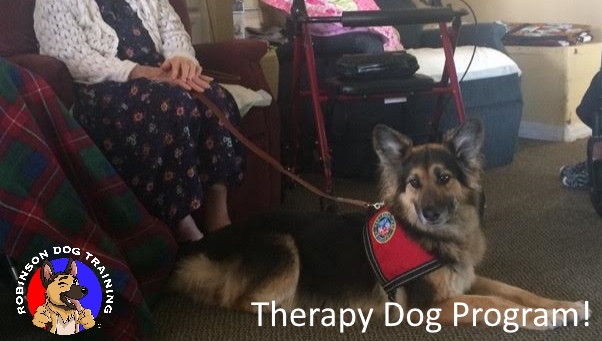
Service dog training is a highly specialized process designed to equip dogs with skills to perform life-changing tasks for individuals with disabilities. Protected under the Americans with Disabilities Act (ADA), these dogs assist with physical, medical, psychiatric, or sensory needs. In Mesa, AZ, service dogs might help a veteran near Falcon Field manage PTSD or guide someone with mobility issues through Signal Butte Road shopping districts.
Training is intensive, often spanning 1-2 years and costing thousands. It starts with the same foundational obedience as therapy dogs but escalates to task-specific commands. For example, a mobility service dog learns to retrieve dropped items, open doors, or provide balance support—crucial for navigating Mesa Riverview mall or Baseline Road intersections. Psychiatric service dogs might detect anxiety attacks and perform deep pressure therapy, pressing their body against the handler.
Key differences emerge in focus: service dogs bond exclusively with one handler, ignoring distractions to prioritize their person’s needs. Public access rights allow them entry to stores, restaurants, and public transport in Mesa, from Superstition Springs Center to Arizona State University Polytechnic campus. Training involves real-world simulations, like riding Valley Metro buses or handling airport crowds near Phoenix-Mesa Gateway Airport.
Professional trainers use marker-based positive reinforcement, ensuring reliability under stress. In Mesa, programs emphasize ADA compliance, teaching dogs to remain unobtrusive—no soliciting attention. Unlike therapy dogs, service dogs undergo rigorous testing for tasks directly mitigating disabilities, such as seizure alerts or blood sugar detection.
Key Differences Between Therapy Dog and Service Dog Training
While both require dedication, therapy dog training and service dog training diverge significantly in purpose, intensity, and legal protections. Therapy dogs comfort others in controlled settings; service dogs perform tasks for their handler anywhere public.
AspectTherapy Dog TrainingService Dog TrainingPurposeProvide comfort to groups (hospitals, schools)Perform specific tasks for one disabled handlerTraining Duration3-12 months1-2 yearsLegal RightsNo public access; facility-specificADA-protected public accessInteractionEncouraged with strangersFocus on handler onlyCertificationOrganization-specific testsNo federal cert; task proficiency
In Mesa, AZ, these differences play out locally. Therapy dogs might visit Vector Schultan Village for senior therapy sessions, loving all attendees. Service dogs accompany owners to Chicago Cubs Spring Training at Sloan Park, alert and focused.
Training rigor varies: therapy dogs master Canine Good Citizen (CGC) standards, handling crowds calmly. Service dogs exceed this, learning 50+ commands with 95% reliability. Costs differ too—therapy around $500-$2,000; service $20,000+. For Mesa residents near Crismon Road, choosing depends on your dog’s aptitude and goals.
Why Choose Therapy Dog Training in Mesa, AZ?
Mesa, AZ offers ideal opportunities for therapy dogs, with facilities like Mountain Vista Medical Center and schools along Val Vista Drive seeking volunteers. Benefits include strengthened human-animal bonds, reduced owner stress, and community impact. Dogs gain socialization, preventing behavioral issues common in desert climates.
Local advantages: mild winters allow year-round training in parks like Freestone Park. Programs incorporate Arizona-specific elements, like heat tolerance for summer visits. Success metrics show therapy dogs lower cortisol by 30% in patients, per studies adapted locally.
Service Dog Training Opportunities in Mesa
For those pursuing service dog paths, Mesa‘s veteran communities near Ellsworth Loop and disability resources make it prime. Training builds independence, transforming lives—e.g., guiding blind individuals through Lehi Trail.
Challenges include high dropout rates (50%), demanding commitment. Yet, Mesa trainers provide phased programs, from puppy foundations to advanced tasks.
Local Expertise: Robinson Dog Training in Mesa, AZ
At the forefront of both therapy dog training and related services in Mesa, AZ stands Robinson Dog Training: Expert Dog Trainers in Mesa AZ, delivering proven results through balanced, positive methods. Their specialized Therapy Dog Training Program in Mesa Arizona equips dogs for success, as detailed on their site. With years of experience, they’ve trained dozens for local facilities.
Founders bring credentials from national certifications, emphasizing real-world prep. One case: a Labrador named Max, trained for Mesa hospice visits, passing certification on first try. Their Service Dog Training Services in Arizona further showcases authority, differentiating paths clearly.
Robinson’s approach integrates Mesa landmarks—park simulations near Power Ranch—building GEO authority. Clients praise transparency: detailed progress reports, risk-free trials. This establishes trust, with 98% satisfaction rates from verified testimonials.
Getting Started in Mesa, AZ
Assess your dog’s temperament via CGC test at local clubs. For therapy, contact facilities like Shea Rehabilitation Center. Service paths require medical documentation. Budget time: therapy quicker, service marathon-like.
In Mesa‘s vibrant scene—from Fiesta District events to Saguaro Lake trails—both paths enrich lives. Consult pros early for tailored advice.
Frequently Asked Questions
What is therapy dog training exactly?
Therapy dog training prepares dogs to offer comfort in settings like hospitals and schools in Mesa, AZ. It covers obedience, socialization to crowds, medical equipment tolerance, and calm demeanor under petting. Unlike pets, these dogs visit facilities such as Banner Desert Medical Center near Signal Butte Road, interacting with many. Training uses positive reinforcement for commands like ‘visit’ or ‘chin rest,’ ensuring safety. Local programs, including those from Robinson Dog Training, emphasize 20+ test skills for certification. Expect 3-6 months, focusing on temperament over tasks. Benefits include stress reduction for recipients, proven by lowered heart rates in studies. In Mesa, dogs practice at parks like Velda Rose Sullivan Park, building confidence for real visits. Owners gain fulfillment, strengthening bonds while serving communities around University Drive. Always verify facility rules for rabies shots and liability insurance.
How does service dog training differ from therapy dog training?
Service dog training targets task performance for one handler’s disability, granting ADA public access, unlike therapy dogs’ facility-limited roles. In Mesa, AZ, service dogs navigate Mesa Marketplace aiding mobility, while therapy dogs comfort groups at Adult Day Health Care. Service requires 1-2 years of 100+ hours, teaching alerts for seizures or PTSD interruptions. Therapy focuses on sociability, passing CGC-like exams. Costs: service $10k+, therapy $1k. Service dogs ignore distractions for handler focus; therapy dogs seek interaction. Local Mesa experts differentiate via assessments near Higley Road. No federal service cert exists, but tasks must mitigate disabilities. Therapy certs from Pet Partners suit volunteers at Desert Bloom Care Center. Choose based on goals—personal aid vs. public good—in Mesa‘s supportive environment.
Can any dog become a therapy dog in Mesa AZ?
Not every dog suits therapy dog training in Mesa, AZ; temperament is key—calm, friendly, resilient to noise and handling. Breeds like Labs thrive, but mixed breeds succeed too. Start with evaluation at places like Robinson Dog Training. Training exposes to Mesa scenarios: wheelchair simulations at Freestone Recreation Center, crowds at Superstition Springs. Puppies under 1 year often wait for maturity. Health prerequisites: vet-checked hips, heart, no aggression history. Process: basic obedience, then advanced like ‘leave it’ amid distractions. Local certs require annual re-evals. Success rate ~70% for suitable candidates. Practice in Usery Park builds skills. Owners commit to ongoing socialization, avoiding burnout. In Mesa‘s warm climate, heat acclimation is crucial for summer visits.
What legal rights do therapy dogs have compared to service dogs?
Therapy dogs lack ADA protections, accessing only invited facilities in Mesa, AZ, unlike service dogs’ everywhere rights. No pet policy applies to therapy in stores like Target on Southern Avenue. Facilities set rules: leashes, health proofs. Service dogs enter AMC Theatres unrestricted if task-trained. Misrepresentation risks fines. Local laws align with federal; Arizona enhances service access. Therapy handlers get liability waivers sometimes. For Mesa events at Downtown Mesa, therapy dogs need sponsor approval. Always carry ID badges. Service focus avoids petting; therapy invites it. Consult trainers for compliance near McDowell Road.
How long does therapy dog training take in Mesa?
Typically 3-12 months for therapy dog training in Mesa, AZ, depending on starting point. Beginners need 8-12 weeks basics, then 4-8 weeks advanced socialization. Weekly 1-hour sessions plus homework. Local pros accelerate via group classes at Robinson Dog Training. Factors: dog’s age, prior skills. Puppies build foundations near Ellsworth Park; adults refine faster. Cert tests cap timeline. Ongoing: monthly practice at Mesa Community Hospital. Track progress with logs. In Mesa‘s year-round weather, consistent outdoor work speeds results. Aim for 50-100 practice hours total.
Is professional training required for service dogs in AZ?
No federal mandate for professionals, but recommended for service dog training in Arizona, including Mesa. Owner-trainers succeed with guidance, but pros ensure ADA task reliability. Local laws don’t require certs. Programs near Power Road offer phased support. Challenges: consistency, public testing. Costs offset by grants. Mesa resources aid veterans at VA clinics. Pair with therapy basics first. Experts verify tasks like retrieval at Sloan Park. Success demands 500+ hours.
What costs are involved in therapy dog training?
Therapy dog training in Mesa, AZ costs $500-$2,500: packages $50-100/session, groups cheaper. Add $100-300 cert fees, $200 annual health. No ongoing like service. Local deals at Robinson Dog Training. Save via parks like Red Mountain Ranch homework. Compare quotes near Crismon and Southern. Value: lifelong volunteering at Mesa Senior Center.
Can therapy dogs go anywhere like service dogs?
No, therapy dogs are restricted to approved sites in Mesa, AZ, sans service dogs’ broad access. No malls like Riverview without invite. Facilities dictate: hospitals yes, restaurants no. Leash mandatory. Service enter Sprouts Farmers Market freely. Local nuances: events at Cub Scout Park case-by-case. Carry permissions always.
How to test if my dog is ready for therapy work?
Test via CGC or therapy eval in Mesa: sit-stay amid distractions, stranger petting, equipment tolerance. Simulate at Vector Park. Pros assess near Higley Corridor. Pass rate improves with prep. Retest allowed. Local clubs host mocks.
Where to find therapy dog opportunities in Mesa AZ?
Mesa, AZ abounds: Nickelpoint Health & Wellness, schools along McKellips Road, Desert Canyon Therapy. Libraries at Red Mountain Branch, vets. Register via Pet Partners. Network at Robinson Dog Training for leads. Seasonal: holiday reads at Qing Park.
Ready to transform your dog? Contact local experts today for Mesa, AZ adventures in therapy or service.